


Fashion Branding Dissertation Topics for 2026

Questions Students Are Asking About Fashion Branding Dissertations
The questions below have been gathered from student forums, Reddit threads, and academic discussion platforms. They reflect what students genuinely search for when they feel stuck on dissertation topic selection.
- What is a good topic for a fashion branding dissertation in 2026?
- How do I choose a fashion branding dissertation topic that is original and researchable?
- Are there dissertation topics in fashion branding that focus on sustainability?
- What fashion branding research questions work best at master’s level?
- Where can I find fashion branding dissertation examples to guide me?
- How do I narrow down broad fashion ideas into a specific academic research topic?
- What subfields within fashion branding are most relevant for 2026 research?
If you have asked yourself any of these questions, this post was written for you.
Why Choosing the Right Fashion Branding Dissertation Topic Matters
Choosing the right dissertation topic is one of the most important academic decisions a student makes. In the field of fashion branding, this choice carries additional weight because the industry is moving faster than ever. Sustainability, digital identity, cultural representation, and consumer psychology are all reshaping how fashion brands communicate and compete.
A well-chosen topic gives your dissertation direction, purpose, and academic credibility. It also signals to your supervisor that you understand the current state of the field. If your topic is too broad, your research becomes shallow. If it is too narrow without proper grounding, it becomes hard to find relevant literature.
Students who need structured guidance during this stage often benefit from online dissertation help, particularly when they are working through topic selection and early-stage proposal development. The right support at this point can save weeks of frustration.
This post gives you 80 original, academically sound fashion branding dissertation topics for 2026, along with five fully worked examples that show you exactly how a strong dissertation topic is structured.
Download Fashion Branding Dissertation Topics PDF
If you would prefer a formatted and personalised list, you can receive a downloadable PDF containing fashion branding dissertation topics curated by academic experts. The PDF is sent to students after completing a short academic preference form. This allows the list to be tailored to your level of study, whether you are working on an undergraduate, master’s, or PhD dissertation.
Key Research Areas in Fashion Branding
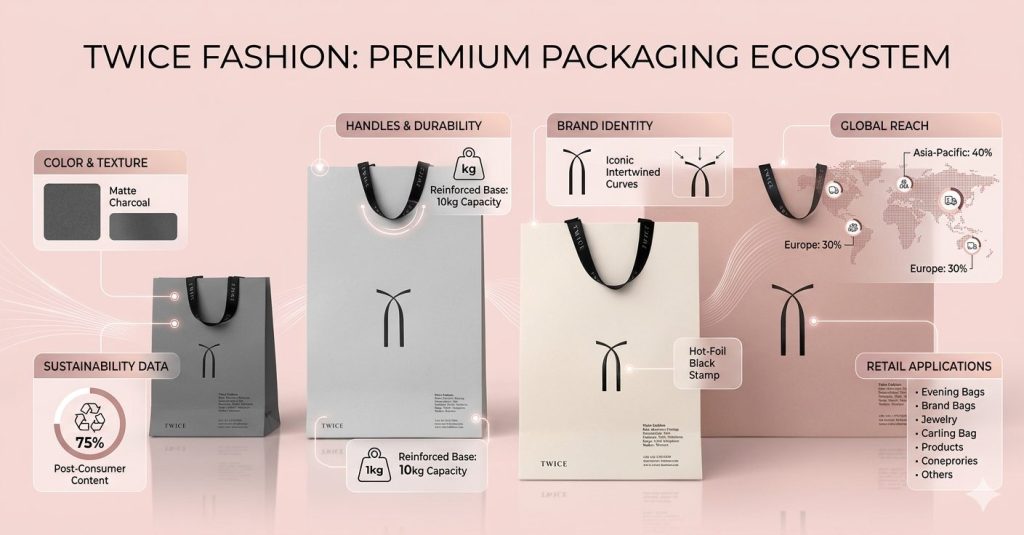
Before you select a topic, it helps to understand the main research areas within fashion branding. These are established domains recognised in academic literature, marketing journals, and business school curricula.
Brand Identity and Visual Communication covers how fashion brands construct meaning through logos, packaging, campaigns, and aesthetic consistency across touchpoints.
Consumer Behaviour and Brand Loyalty examines why consumers connect with certain fashion brands, what drives repeat purchasing, and how emotional attachment forms.
Sustainable and Ethical Branding explores how brands communicate environmental responsibility and social ethics, and whether these claims influence consumer trust.
Digital and Social Media Branding looks at how fashion brands build presence through Instagram, TikTok, influencer marketing, and e-commerce platforms.
Cultural Identity and Representation investigates how fashion brands engage with race, gender, heritage, and global cultural diversity in their messaging.
Luxury Fashion Branding focuses on the specific strategies used by premium and heritage brands to maintain exclusivity, heritage narratives, and aspirational positioning.
Fast Fashion and Brand Perception analyses consumer attitudes towards value-driven fashion brands and the reputational challenges they face in an era of growing awareness.
Retail and Omnichannel Brand Experience covers how the physical and digital shopping experience shapes brand perception and purchase behaviour.
These areas give you a strong foundation. Your dissertation topic should sit clearly within one or more of these domains.
Five Fashion Branding Dissertation Topic Examples With Aims and Objectives
The following five examples show how a focused dissertation topic is constructed at an academic level. Each includes a clear research aim and two to three measurable objectives.
Example 1: Sustainable Branding and Consumer Scepticism
Topic: How do fast fashion brands use sustainability messaging, and how does consumer scepticism affect brand trust in the UK?
Aim: To examine the relationship between sustainability communication strategies used by fast fashion brands and the level of consumer trust generated among UK shoppers aged 18 to 34.
Objectives:
- To identify the sustainability claims made by leading UK fast fashion brands across digital platforms
- To measure the degree of consumer scepticism towards these claims using survey data
- To analyse whether transparency in reporting affects brand trust scores among the target demographic
Example 2: Influencer Marketing and Luxury Brand Positioning
Topic: The impact of influencer marketing on the perceived exclusivity of luxury fashion brands among Generation Z consumers.
Aim: To assess whether influencer collaborations erode or reinforce the premium positioning of luxury fashion brands when targeted at younger audiences.
Objectives:
- To review existing literature on luxury brand equity and digital marketing overlap
- To gather qualitative insights from Generation Z consumers on their perception of luxury brands that use influencers
- To identify conditions under which influencer marketing preserves versus weakens exclusivity signals
Example 3: Cultural Appropriation and Brand Reputation
Topic: How do fashion brands manage brand reputation following accusations of cultural appropriation on social media?
Aim: To explore the crisis communication strategies adopted by fashion brands accused of cultural appropriation and their effect on long-term brand perception.
Objectives:
- To document case studies of fashion brands accused of cultural appropriation between 2020 and 2025
- To analyse the brand responses issued across social media and press channels
- To evaluate consumer sentiment changes before and after each brand’s response
Example 4: Gender-Neutral Fashion and Brand Identity
Topic: How are emerging fashion brands constructing gender-neutral brand identities, and how do consumers respond to this positioning?
Aim: To investigate how gender-inclusive brand positioning is communicated and received across different consumer segments.
Objectives:
- To review brand communication strategies of fashion labels that have adopted gender-neutral positioning
- To gather primary consumer data on attitudes towards gender-neutral fashion branding
- To assess whether gender-neutral identity influences purchase intention across age groups
Example 5: Local Fashion Brands and National Identity
Topic: The role of national cultural identity in shaping the brand narratives of emerging fashion designers in the Global South.
Aim: To examine how fashion entrepreneurs in developing economies use cultural heritage as a branding strategy and what outcomes this produces in international markets.
Objectives:
- To identify emerging fashion brands from the Global South that position cultural identity as a brand differentiator
- To analyse the narrative techniques used in their brand communication
- To assess the reception of these brands in Western fashion markets through media content analysis
80 Fashion Branding Dissertation Topics for 2026
The topics below are original, researchable, and aligned with 2026-level academic and industry expectations. They are organised under meaningful subheadings and cover a wide range of research directions.
Sustainable Fashion Branding Research Topics
- How do UK fashion brands measure the effectiveness of their sustainability communication strategies?
- The role of B Corp certification in shaping brand trust among ethically motivated fashion consumers
- Greenwashing in the fashion industry: how consumers identify deceptive sustainability claims
- The influence of transparent supply chain disclosure on brand loyalty in sustainable fashion
- How small sustainable fashion brands compete with fast fashion giants through storytelling
- Consumer attitudes towards carbon-neutral fashion branding in Germany and the UK: a comparative study
- The effect of eco-labelling on purchase decisions among fashion consumers aged 25 to 40
- How do fashion brands balance profitability and sustainability in their brand positioning strategies?
- The credibility gap: why sustainability claims by luxury fashion brands receive less scepticism than those by fast fashion brands
- Second-hand fashion platforms and the branding of circular economy values
Digital Branding and Social Media in Fashion
- How TikTok has changed the way fashion brands communicate brand personality to younger audiences
- The role of user-generated content in shaping brand perception for mid-market fashion brands
- Instagram aesthetics and brand consistency: a content analysis of ten UK fashion brands
- How fashion brands use Pinterest to drive long-term brand discovery rather than short-term sales
- The effect of algorithm changes on organic brand reach for independent fashion labels
- How fashion brands construct authenticity on social media platforms in a highly curated digital landscape
- The use of short-form video content in building brand identity for emerging fashion startups
- Live shopping events on social media: brand engagement opportunities for fashion retailers
- How fashion brands manage negative sentiment on social media during a brand crisis
- The role of digital storytelling in building brand equity for online-only fashion labels
Influencer Marketing and Fashion Brand Positioning
- How micro-influencers affect brand perception differently from celebrity endorsements in fashion branding
- The long-term brand equity impact of influencer partnerships on mid-tier UK fashion brands
- Consumer trust in paid versus gifted influencer content within the fashion industry
- How fashion brands vet influencer values to maintain brand consistency and avoid reputational risk
- The effect of influencer diversity on consumer inclusivity perceptions of a fashion brand
- Virtual influencers in fashion branding: how digital personas are reshaping endorsement strategies
- Does influencer saturation reduce the effectiveness of brand campaigns in the fashion sector?
- The role of niche influencers in building brand loyalty among specific fashion subcultures
- How fashion brands measure ROI from influencer campaigns beyond follower count and reach
- The ethical implications of undisclosed paid partnerships in fashion influencer marketing
Luxury Fashion Branding
- How luxury fashion brands maintain exclusivity while expanding their digital retail presence
- Heritage narratives in luxury fashion branding: the use of founder stories and archival imagery
- The role of scarcity marketing in maintaining demand for limited-edition luxury fashion collections
- How luxury fashion brands communicate craftsmanship and artisanship to justify premium pricing
- The tension between accessibility and aspiration in the digital branding strategies of luxury fashion houses
- How emerging luxury brands in Asia are challenging European heritage narratives in global markets
- The effect of celebrity brand ambassadors on the perceived prestige of luxury fashion labels
- Resale market growth and its impact on luxury fashion brand positioning and consumer perception
- How luxury fashion brands use flagship store design as a physical brand communication tool
- The influence of brand origin country on consumer perception of luxury fashion products
Consumer Behaviour and Fashion Brand Loyalty
- What factors drive repeat purchasing behaviour among loyal fashion brand consumers aged 18 to 35?
- The role of brand community membership in sustaining long-term fashion brand loyalty
- How personal values alignment influences brand attachment in ethical fashion markets
- The effect of size inclusivity in fashion brand marketing on consumer trust and loyalty
- How post-purchase brand communication affects customer retention in online fashion retail
- The psychological impact of fashion brand identity on consumer self-concept and purchase motivation
- How fashion subscription services affect brand attachment and churn behaviour among consumers
- The role of nostalgia in fashion branding and its effect on repeat purchase behaviour
- How fashion brands use loyalty programmes to strengthen emotional brand connections
- Consumer switching behaviour in fashion: what causes loyal customers to move to competitor brands?
Cultural Identity and Representation in Fashion Branding
- How fashion brands navigate cultural sensitivity when expanding into new international markets
- The representation of Black identities in mainstream UK fashion brand advertising from 2020 to 2025
- How South Asian fashion designers use cultural heritage branding to enter global markets
- The role of indigenous cultural symbols in fashion branding and the ethics of commercial use
- Gender representation in fashion advertising: how brands are reshaping traditional visual codes
- How streetwear brands use cultural community identity as a core brand positioning strategy
- The portrayal of age diversity in UK fashion brand campaigns and its effect on consumer response
- How African fashion brands are building international brand recognition through diaspora networks
- The politics of body image in fashion brand photography and its effect on brand values perception
- How religious and modest fashion brands build brand identity within a mainstream market context
Fast Fashion Branding and Ethical Perception
- How fast fashion brands respond to ethical criticism while maintaining their core pricing model
- Consumer awareness of fast fashion labour practices and its effect on brand loyalty among UK students
- The effectiveness of corporate social responsibility reports in improving fast fashion brand image
- How fast fashion brands use collaborations with designers to elevate brand perception temporarily
- The role of brand transparency in reducing the reputational impact of supply chain scandals
- How do young consumers reconcile ethical concerns with continued engagement with fast fashion brands?
- The use of seasonal campaign marketing to distract from ethical criticism in fast fashion branding
- Brand differentiation strategies used by mid-market fashion retailers competing with ultra-fast fashion brands
- How packaging redesign affects consumer environmental perception of fast fashion brands
- The long-term brand reputation consequences of fast fashion brands that do not adopt sustainability policies
Retail Experience, Omnichannel, and Brand Perception
- How fashion brands use experiential retail to create emotional brand connections beyond the purchase
- The consistency of brand identity across physical stores and digital platforms in UK fashion retail
- How in-store sensory branding (music, scent, lighting) shapes consumer perception of fashion brands
- The role of personal styling services in building brand trust and premium brand positioning in retail
- How fashion brands are redesigning the fitting room experience to strengthen brand engagement
- The effect of returns policy communication on long-term brand perception in online fashion retail
- How fashion pop-up stores function as brand awareness and community-building tools
- The role of visual merchandising in communicating brand values within a physical retail environment
- How fashion brands use customer data ethically to personalise the shopping experience without damaging trust
- The impact of same-day delivery branding on consumer expectations and brand positioning in fashion e-commerce
How to Use This List for Your Fashion Branding Research Proposal
Once you have identified a topic that interests you, the next step is shaping it into a formal fashion branding research proposal. A strong proposal explains what you want to study, why it matters academically, how you plan to collect data, and what gaps in existing literature your research will address.
Students often find this stage challenging because moving from a topic idea to a full proposal requires academic rigour and a clear methodological direction. If you are unsure how to structure your proposal, seeking online dissertation help from an experienced academic can provide the framework you need to begin with confidence.
Your supervisor will also play a key role in narrowing and refining your topic. Go to your first meeting with two or three topic options, each with a brief aim statement. This shows initiative and gives your supervisor something concrete to respond to.
Conclusion
Selecting a dissertation topic in fashion branding is both an academic and a personal decision. The topic you choose will shape your reading, your research design, your data collection, and ultimately your academic contribution to the field.
The 80 fashion branding dissertation topics in this post have been developed to reflect the real research questions being asked in 2026. They span sustainability, digital identity, consumer psychology, luxury branding, cultural representation, and retail experience. Whether you are at undergraduate, master’s, or PhD level, there is a topic in this list that can be developed into a credible and original piece of research.
The most important thing you can do at this stage is choose a topic you are genuinely curious about. Curiosity sustains the effort that a dissertation demands. Pair that curiosity with a clear research aim, well-defined objectives, and a realistic methodology, and you will have the foundation for a strong dissertation.
Approach your research with confidence, academic integrity, and a willingness to engage deeply with the literature. Fashion branding is a rich, evolving field, and your research, however focused, adds to the collective understanding of how brands shape and are shaped by society.
