


Psychotherapy Dissertation Topics for 2026

Common Student Questions About Choosing a Dissertation Topic
Students often turn to forums, university discussion boards, and academic communities when they feel stuck. These are some of the most common questions gathered from those spaces:
- How do I choose from so many psychotherapy dissertation topics without feeling overwhelmed?
- What makes a psychotherapy topic suitable for undergraduate versus master’s or PhD level?
- How do I know if my topic is current and relevant for 2026 research expectations?
- What are the best examples of psychotherapy research topics that actually score high grades?
- How can I turn a general idea into clear psychotherapy research questions?
- Is it better to focus on theory, clinical practice, or social impact in psychotherapy?
- How narrow should my dissertation topic be for strong academic outcomes?
- Where can I find a reliable psychotherapy research topics pdf for guidance?
These questions show a common concern. Students want clarity, relevance, and confidence before they commit to a research direction.
Introduction
Choosing the right topic in psychotherapy is one of the most important academic decisions you will make during your degree. A strong topic shapes your research design, influences your marks, and affects how confidently you complete your dissertation.
Psychotherapy is a broad and evolving field. It combines clinical practice, psychological theory, and social understanding of mental health. This makes topic selection both exciting and challenging. Students must balance personal interest with academic value and research feasibility.
This guide provides a structured and supportive overview of psychotherapy dissertation topics for 2026. It helps you understand key research areas, explore well-formed topic ideas, and develop academically sound research aims.
Download Psychotherapy Dissertation Topics PDF
Many students prefer working with a structured document they can review offline. A psychotherapy research topics pdf can help you organise ideas and shortlist relevant areas based on your academic level.
Students can receive a downloadable PDF that includes carefully curated topics aligned with current research expectations. This resource is typically provided after completing a short academic request form and is designed to support personalised topic selection.
Why Choosing the Right Psychotherapy Dissertation Topic Matters
A dissertation topic is not just a title. It defines your entire research journey.
A well-chosen topic will:
- Align with your academic level and skills
- Allow access to reliable data and literature
- Support clear and measurable research objectives
- Keep you motivated throughout the writing process
A weak topic, on the other hand, often leads to confusion and limited academic depth. This is why many students seek Psychology Dissertation help early in the process to refine their ideas.
In psychotherapy, relevance is especially important. Topics must reflect current mental health challenges, evolving therapies, and ethical considerations in clinical practice.
Key Research Areas in Psychotherapy
Understanding major research domains helps you narrow your focus. Below are the most recognised areas in psychotherapy research.
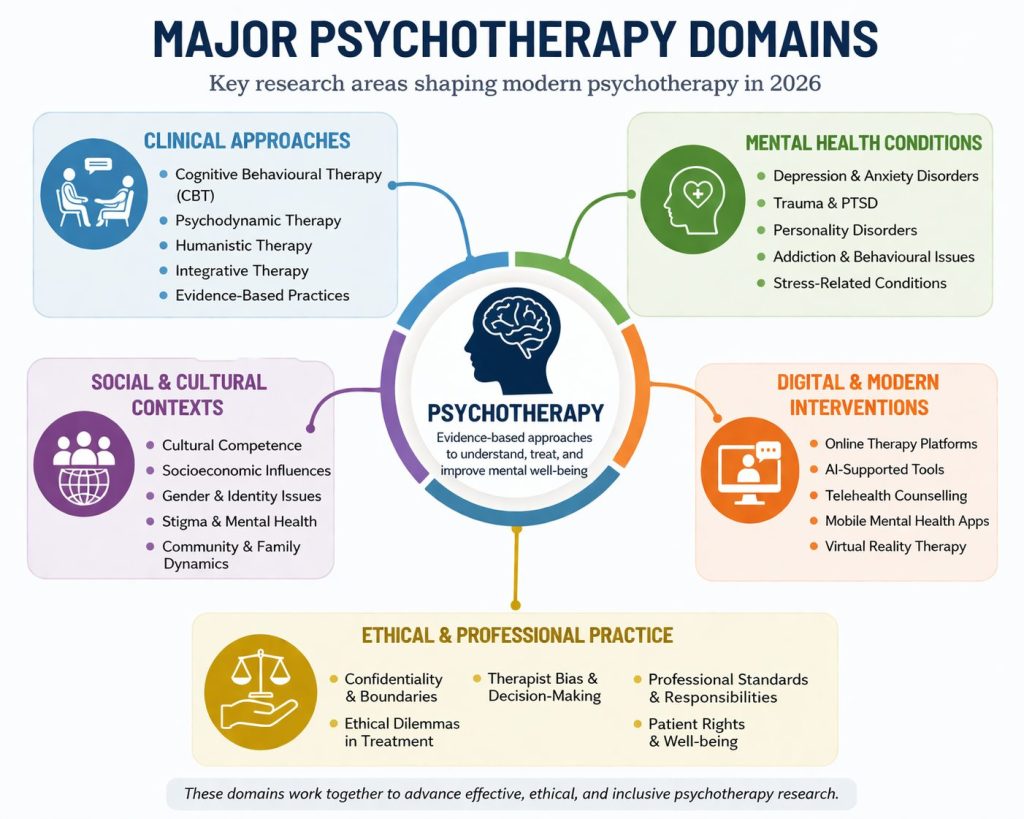
Clinical Psychotherapy Approaches
- Cognitive Behavioural Therapy
- Psychodynamic Therapy
- Humanistic Therapy
- Integrative Therapy
Mental Health Conditions
- Depression and anxiety disorders
- Trauma and PTSD
- Personality disorders
- Addiction and behavioural issues
Social and Cultural Contexts
- Cultural competence in therapy
- Socioeconomic influences on mental health
- Gender and identity issues
Digital and Modern Interventions
- Online therapy platforms
- AI-supported psychotherapy tools
- Telehealth counselling
Ethical and Professional Practice
- Confidentiality and boundaries
- Therapist bias and decision-making
- Ethical dilemmas in treatment
Students often explore these domains through Online Dissertation Writing Service platforms when they need structured academic guidance.
Example Psychotherapy Dissertation Topics with Aim and Objectives
1. The Effectiveness of Cognitive Behavioural Therapy in Treating Adolescent Anxiety
Aim: To evaluate the effectiveness of CBT in reducing anxiety symptoms among adolescents.
Objectives:
- To analyse existing CBT frameworks for adolescents
- To measure changes in anxiety levels after CBT intervention
- To assess patient satisfaction with CBT treatment
2. The Role of Psychodynamic Therapy in Treating Childhood Trauma
Aim: To explore how psychodynamic therapy addresses unresolved childhood trauma.
Objectives:
- To examine key psychodynamic principles in trauma treatment
- To analyse patient outcomes in long-term therapy
- To identify limitations of psychodynamic approaches
3. Online Psychotherapy and Its Impact on Patient Engagement
Aim: To investigate how online therapy affects patient participation and outcomes.
Objectives:
- To compare online and face-to-face therapy engagement
- To identify barriers in digital psychotherapy
- To evaluate patient satisfaction levels
4. Cultural Competence in Psychotherapy Practice
Aim: To assess the importance of cultural awareness in therapeutic relationships.
Objectives:
- To explore cultural challenges in therapy sessions
- To analyse therapist training in cultural competence
- To evaluate patient outcomes across diverse groups
5. The Impact of Mindfulness-Based Therapy on Depression
Aim: To evaluate the effectiveness of mindfulness-based interventions in treating depression.
Objectives:
- To review mindfulness techniques used in therapy
- To measure symptom reduction in patients
- To compare mindfulness therapy with traditional approaches
80 Psychotherapy Dissertation Topics for 2026
Clinical Psychotherapy Approaches
- Effectiveness of CBT in treating social anxiety disorder
- Comparing CBT and psychodynamic therapy outcomes
- Role of humanistic therapy in emotional healing
- Integrative therapy approaches in modern practice
- CBT for obsessive-compulsive disorder
- Psychodynamic therapy in long-term depression treatment
- Effectiveness of group therapy vs individual therapy
- Behavioural therapy for phobias
- Person-centred therapy in counselling settings
- Schema therapy for personality disorders
- Short-term vs long-term psychotherapy outcomes
- Use of exposure therapy in PTSD treatment
- Role of therapist empathy in treatment success
- Effectiveness of family therapy models
- Narrative therapy in trauma recovery
- Dialectical behaviour therapy for borderline personality disorder
- Acceptance and commitment therapy in anxiety treatment
- Solution-focused therapy in brief interventions
- Role of therapeutic alliance in psychotherapy
- Evidence-based psychotherapy practices
Mental Health Conditions
- Psychotherapy interventions for depression
- Therapy approaches for generalised anxiety disorder
- Psychotherapy in treating eating disorders
- Role of therapy in addiction recovery
- PTSD treatment through psychotherapy
- Therapy approaches for bipolar disorder
- Childhood trauma and adult mental health
- Psychotherapy for self-harm behaviours
- Treatment of panic disorders through therapy
- Therapy for insomnia related to anxiety
- Psychotherapy in schizophrenia management
- Role of therapy in grief counselling
- Therapy approaches for anger management
- Psychological treatment of phobias
- Therapy for postpartum depression
- Psychotherapy in chronic illness patients
- Mental health treatment in adolescents
- Therapy approaches for autism spectrum disorders
- Psychotherapy in suicide prevention
- Therapy for stress-related disorders
Social and Cultural Factors
- Cultural competence in psychotherapy practice
- Impact of social media on mental health therapy
- Gender differences in therapy outcomes
- Psychotherapy in multicultural societies
- Role of family dynamics in therapy
- Socioeconomic factors affecting therapy access
- Therapy for refugees and migrants
- Cultural barriers in psychotherapy
- Role of stigma in seeking therapy
- Therapy approaches for LGBTQ+ individuals
- Influence of religion on psychotherapy
- Cross-cultural counselling effectiveness
- Community-based mental health interventions
- Therapy in rural vs urban settings
- Social isolation and psychotherapy outcomes
- Role of peer support in therapy
- Impact of education on therapy success
- Workplace mental health interventions
- Therapy for victims of domestic violence
- Cultural adaptation of psychotherapy models
Digital and Innovative Therapies
- Effectiveness of online psychotherapy platforms
- Teletherapy vs face-to-face therapy outcomes
- AI-assisted psychotherapy tools
- Mobile apps in mental health treatment
- Virtual reality therapy for phobias
- Digital CBT interventions
- Online therapy for depression treatment
- Ethical issues in digital psychotherapy
- Accessibility of telehealth services
- Therapist-patient interaction in online settings
- Digital mental health interventions for youth
- Remote therapy effectiveness during crises
- Role of chatbots in psychotherapy
- Data privacy in online therapy
- Online group therapy effectiveness
- Technology-based interventions for PTSD
- Digital tools for therapy assessment
- E-therapy adoption in developing countries
- Online counselling for university students
- Future trends in psychotherapy innovation
Conclusion
Selecting the right psychotherapy topic is a critical step in your academic journey. It influences your research quality, your confidence, and your final results.
A strong topic is specific, researchable, and aligned with current academic expectations. It should match your level of study and allow you to explore meaningful questions within psychotherapy.
This guide has provided structured support, from understanding key research areas to exploring 80 carefully designed psychotherapy dissertation ideas.
Approach your dissertation with curiosity and discipline. When you choose a topic that genuinely interests you and meets academic standards, the entire research process becomes more manageable and rewarding.
